How to Choose the Right Sofa Size for Your Body and Your Space: The Complete Sofa Buying Guide (Part 1)
A Designer’s Guide to Finding the Perfect Fit for Comfort, Style, and Everyday Living
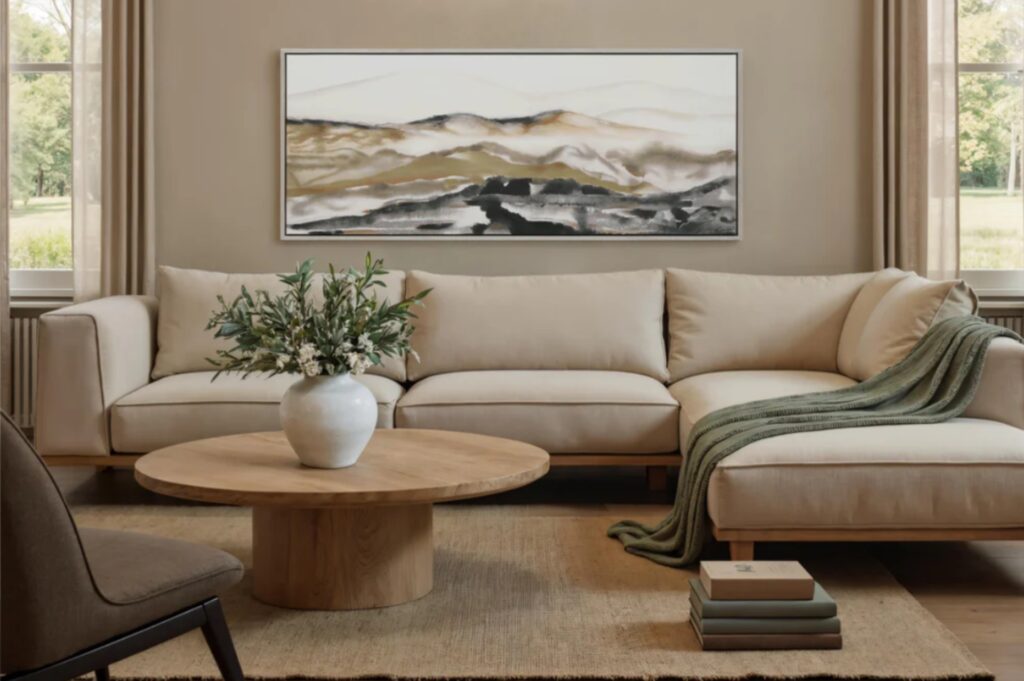
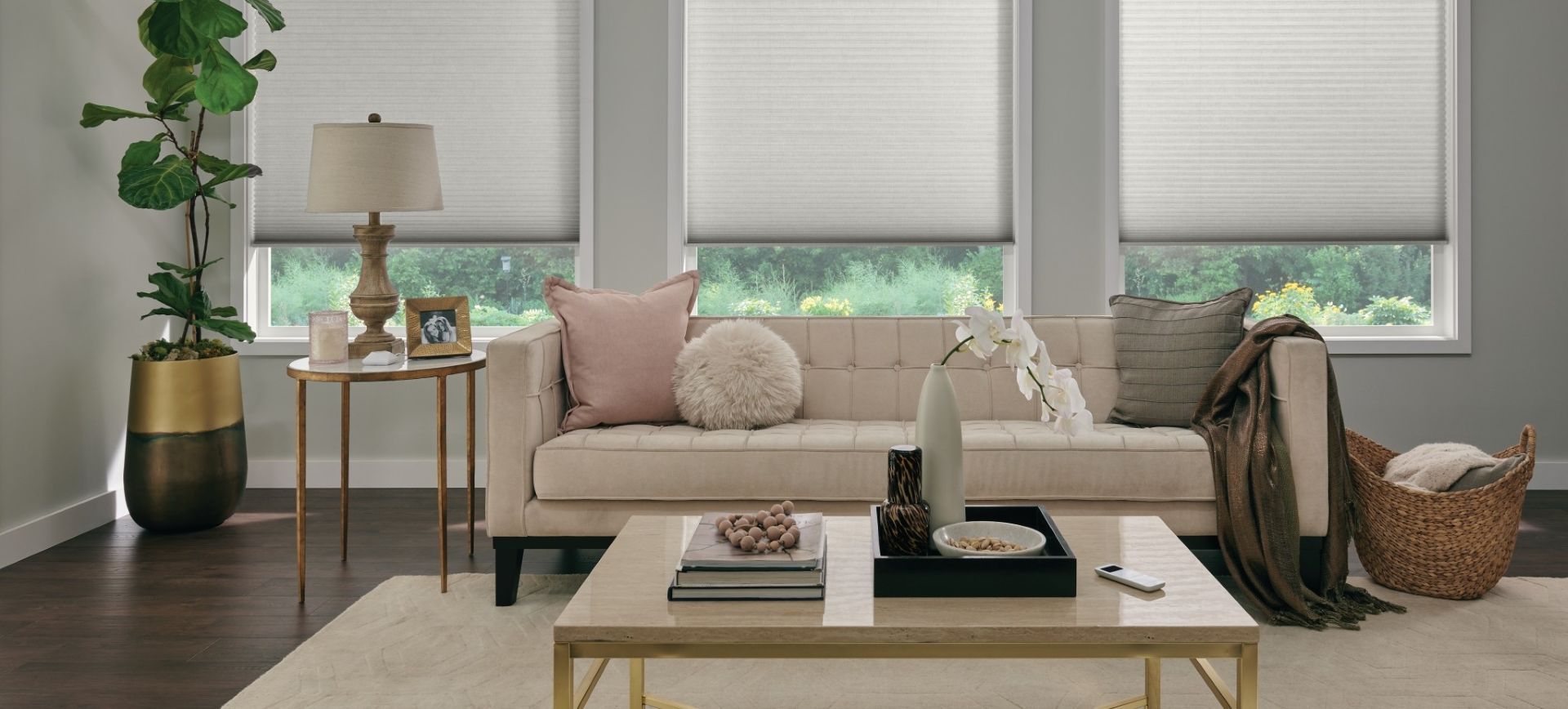
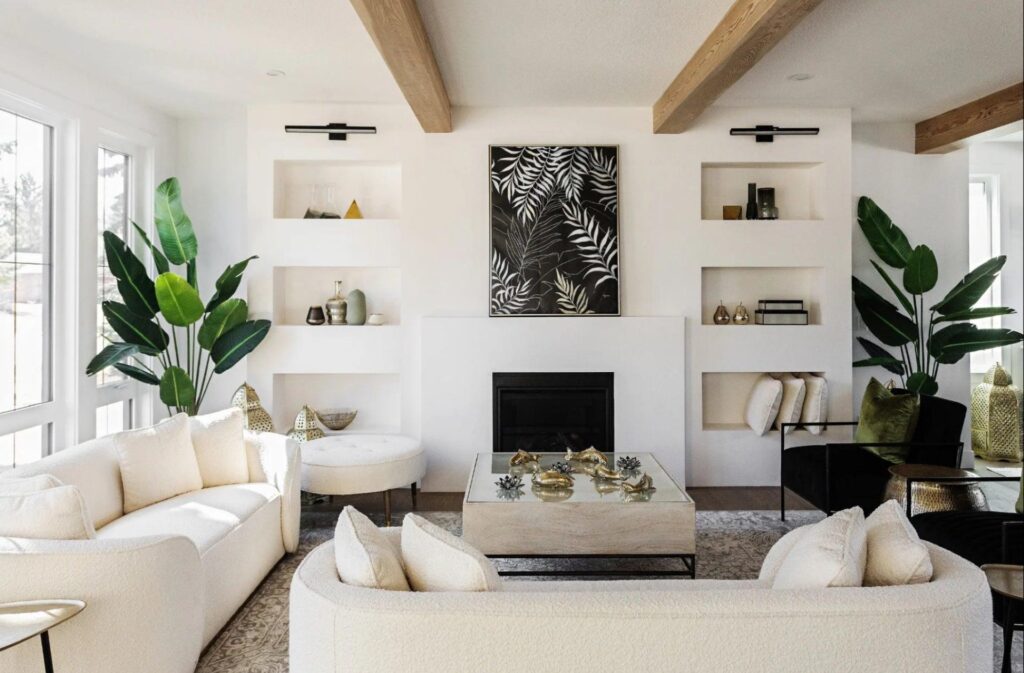
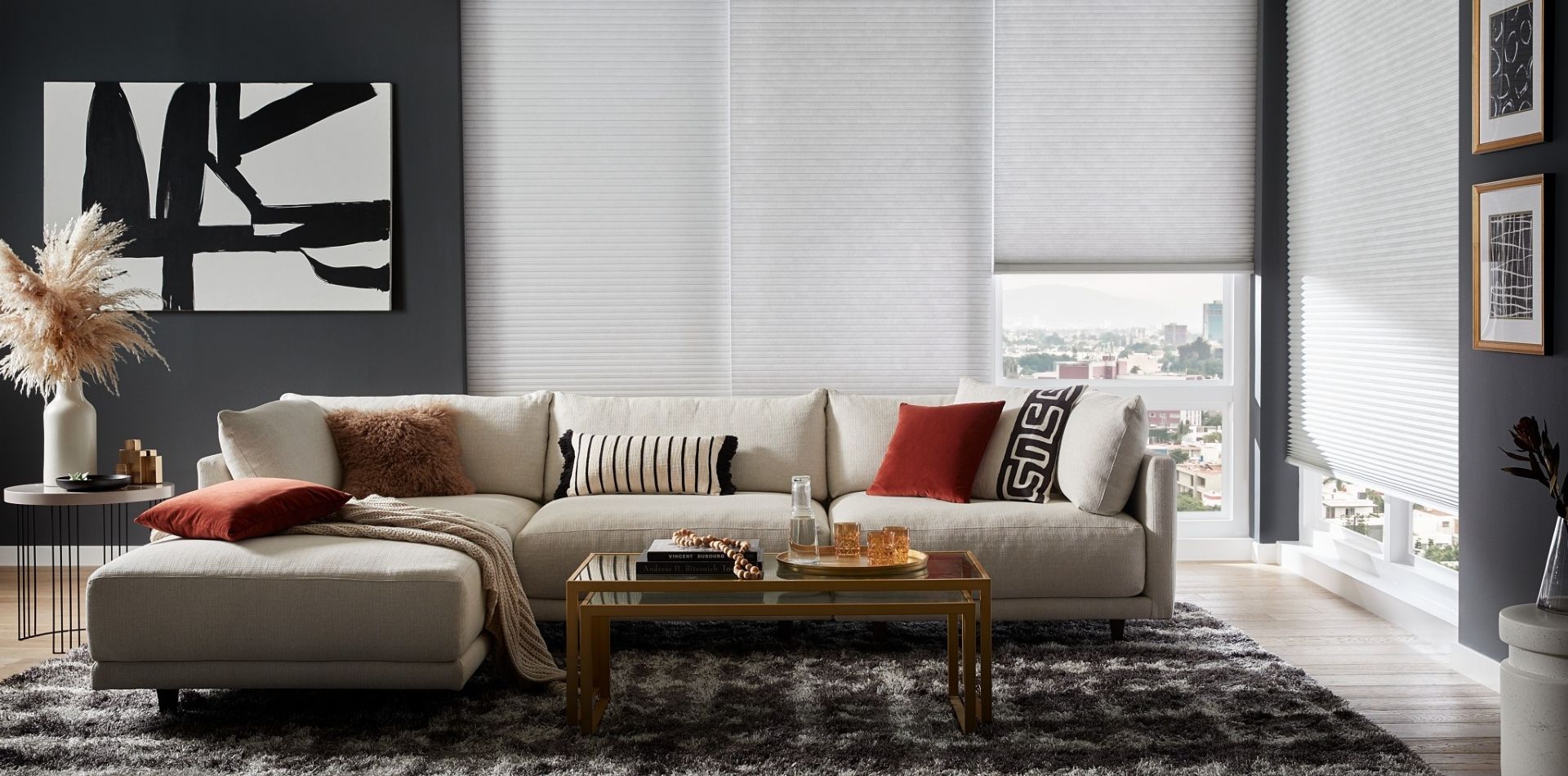
Your sofa is more than just a piece of furniture.
It is where family gathers after a long day, where friends settle in over coffee, where movie nights unfold, and where quiet moments happen with a good book or a favourite blanket.
Because a sofa is often the largest piece of furniture in your living room—and one you will likely enjoy for many years—choosing the right one deserves more thought than simply finding a style or fabric you love.
The most successful rooms aren’t created by choosing the biggest sofa that fits. Instead, they come from selecting furniture with the right proportions for both the space and the people who use it.
A sofa that is too large can make a room feel crowded, while one that is too small can leave the space feeling disconnected. Just as importantly, the wrong seat depth or height can affect how comfortable the sofa feels.
The good news is that choosing the right sofa size doesn’t have to be complicated.
With an understanding of sofa dimensions and how they affect comfort, proportion, and everyday living, you can choose a sofa that feels balanced, comfortable, and right for your home.
At Addie Birch, we believe furniture should not only look beautiful—it should support the way you live. This guide will help you understand the measurements that matter and choose a sofa that fits both your body and your space.
Why Sofa Size Matters More Than You Think
When homeowners begin searching for a new sofa, the first things they often consider are:
- Colour
- Fabric
- Style
- Shape
These are important, but experienced designers begin somewhere else.
They consider:
How will this sofa function in the room?
A well-designed living space considers:
- How people move through the room.
- How many people need seating.
- Whether the sofa is used for entertaining or everyday relaxation.
- How the furniture relates to windows, architecture, and other pieces.
- How comfortable the sofa feels after hours of use.
A sofa establishes the scale and feeling of the entire room.
When the size is right:
✓ The room feels balanced.
✓ Furniture feels intentional.
✓ Walkways feel natural.
✓ Conversations happen more comfortably.
✓ The space feels welcoming rather than crowded.
Designer Insight: Bigger Is Not Always Better
One of the most common mistakes homeowners make is purchasing the largest sofa that will fit along a wall.
While a large sofa may seem luxurious, it can overwhelm the room and leave little space for movement.
Professional designers often allow some breathing room around furniture. A small amount of visible space around a sofa can make the entire room feel larger, lighter, and more thoughtfully designed.
Good design is not about filling every inch.
It is about creating balance.

Before You Shop: Understand How You Live
Before looking at sofa styles, think about how your household uses the space.
Ask yourself:
Is this your everyday living room?
If so, comfort and durability may be your highest priorities.
Do you entertain often?
You may want a sofa arrangement that encourages conversation and allows multiple people to sit comfortably.
Does anyone enjoy lounging?
A deeper sofa with generous seating may be ideal.
Are children or pets part of your household?
Fabric selection, cushion construction, and durability become especially important.
Do different people have different comfort needs?
Seat depth and height can make a significant difference between a sofa that looks beautiful and one that feels comfortable every day.
There is no single perfect sofa size.
There is only the right sofa size for your home and your lifestyle.
Understanding Sofa Measurements
Furniture specifications can sometimes feel overwhelming because there are several different measurements to consider.
Understanding the basics will make comparing sofas much easier.
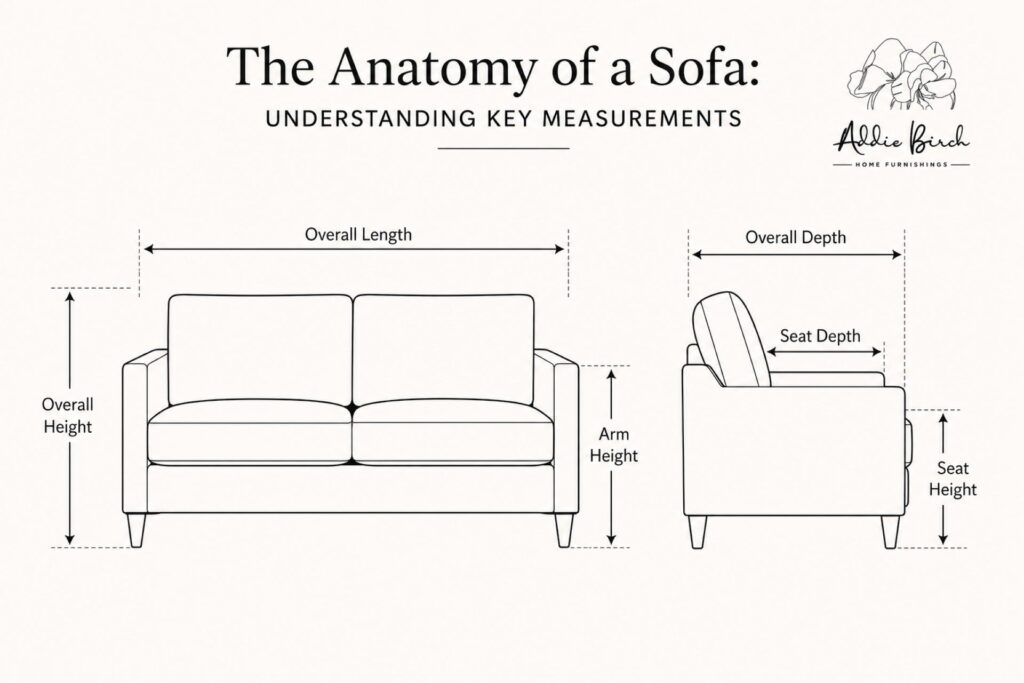
Primary Sofa Measurements
Sofa Length
Sofa length measures from the outside edge of one arm to the outside edge of the opposite arm.
This measurement determines how much seating the sofa provides and how much visual space it occupies.
Most standard three-person sofas range between 71 and 86 inches, with 84 inches being one of the most common sizes.
General Sofa Length Guide

The best sofa isn’t necessarily the longest one—it’s the one that’s proportionate to the room around it. Professional designers consider how the sofa relates to the entire space, including coffee tables, accent chairs, walkways, and surrounding architecture. Leaving a little breathing room around your furniture often makes a room feel larger, more elegant, and more comfortable to live in.
Sofa Depth
Sofa depth measures from the front edge of the sofa to the back.
Most sofas range between 32 and 40 inches deep, with approximately 35 inches considered standard.
Depth affects both comfort and the overall feeling of a room.
Shallower Sofas
A shallower sofa typically creates:
- A lighter, more open appearance
- A tailored, refined look
- An upright, supportive sitting position
- Better conversation seating
- More visual space in smaller rooms
They work well in:
- Condos and apartments
- Smaller living rooms
- Formal living rooms
- Conversation areas
- Homes with narrower floor plans
- Modern, Scandinavian, and transitional interiors


The Kinsley sofa featured above has a narrow sofa depth of 31.5″
Standard-Depth Sofas
A standard-depth sofa typically creates:
- A balanced combination of comfort and support
- A versatile, relaxed sitting position
- Enough room to sit comfortably without feeling overly deep
- A substantial presence without overwhelming the room
- Flexibility for both everyday living and entertaining
They work well in:
- Average-size living rooms
- Family rooms
- Open-concept spaces
- Homes with a mix of formal and casual seating
- Everyday living and entertaining
- Traditional, transitional, contemporary, and organic modern interiors


The Apollo sofa featured above has a standard sofa depth of 36″
Deeper Sofas
A deeper sofa typically creates:
- A relaxed, casual atmosphere
- A cozy, inviting feel
- A luxurious, lounge-like experience
- A more substantial visual presence
- Greater comfort for stretching out
They work well in:
- Family rooms
- Media and TV rooms
- Large open-concept spaces
- Great rooms
- Homes with taller occupants
- Contemporary and relaxed interiors


The Retreat sofa featured above has a deep sofa depth of 40″
Designer Insight: A sofa’s depth influences more than comfort—it shapes the entire personality of a room. Shallower sofas encourage conversation and create a lighter, more tailored look, while deeper sofas invite you to relax, stretch out, and stay awhile. Neither is better than the other; the right choice depends on how you want your space to feel and how you live in it.
Sofa Height
Sofa height measures from the floor to the highest point of the back. Most sofas range between 26 and 36 inches high.
While height may seem like a small detail, it has a significant impact on both the look of your room and the comfort of your seating. The right choice depends on your home’s architecture, your personal style, and how you use the space.
Lower-Back Sofas
Lower-back sofas often create:
- A clean, modern aesthetic
- Open sightlines that make a room feel larger
- A lighter, more spacious appearance
- A relaxed, contemporary feel
They work well in:
- Smaller living rooms
- Open-concept homes
- Spaces with large windows or scenic views
- Modern, Scandinavian, and minimalist interiors
- Rooms where maintaining an open, airy feeling is a priority


The Tulip sofa featured above has a low sofa back height of 25.5″
Higher-Back Sofas
Higher-back sofas often create:
- A cozy, inviting atmosphere
- Greater back and shoulder support
- A classic, timeless appearance
- A stronger visual presence that anchors larger spaces
They work well in:
- Family rooms
- Traditional and transitional interiors
- Homes with higher ceilings
- Larger living rooms and great rooms
- Spaces where comfort and extended seating are priorities


The Hepburn sofa featured above has a high sofa back height of 37″ when considering the cushion height
Designer Insight: Your sofa should feel proportionate to the room around it. A low-profile sofa can help a compact room feel open and uncluttered, while a taller sofa can add warmth, presence, and balance to rooms with high ceilings or expansive walls.
When selecting sofa height, consider not only how it looks on its own, but how it relates to your windows, artwork, shelving, and the overall architecture of your home. The most successful interiors achieve a sense of harmony by balancing the scale of every element in the room.
The Measurements That Matter Most for Comfort
While the outside dimensions determine whether a sofa fits your room, two measurements determine whether it fits the people who use it.
Seat Depth: Finding Your Comfort Zone
Seat depth is one of the measurements with the biggest impact on everyday comfort.
Seat depth measures from the front edge of the seat cushion to the point where your back rests. Most sofas have a seat depth between 21 and 24 inches, although deeper sofas can extend to 28 inches or more.
It is important not to confuse seat depth with overall sofa depth. Overall depth measures from the very front of the sofa to its furthest point at the back, while seat depth tells you how much usable space you actually have for sitting.
Seat depth plays a major role in whether you can sit comfortably with your back supported, stretch out to relax, or curl up on the sofa.
How do I choose the right seat depth for my body?
Start with the back-of-knee test.
Sit all the way back against the sofa with your spine supported. Your feet should rest comfortably on the floor, with the front edge of the seat approximately two to three inches from the back of your knees. This allows your legs to rest naturally without the edge of the cushion putting uncomfortable pressure behind your knees.
As a general starting point:
- Under 5’4″ — 18–21″ seat depth
- 5’4″ to 5’10” — 21–24″ seat depth
- Over 5’10” — 24–28″ seat depth
These ranges are guidelines rather than rules. Body proportions vary, so your leg length, torso length, preferred sitting position, and the way the sofa is constructed can all affect what feels comfortable.
How Does Seat Depth Affect Comfort?
When a sofa is too deep for your frame, you may find yourself choosing between leaning back and letting your feet dangle or perching forward on the edge and losing the support of the backrest. Neither is particularly comfortable for everyday sitting.
People often compensate by piling throw pillows behind their backs. While pillows can adjust the feel of a sofa, constantly needing them to sit comfortably may be a sign that the seat is simply too deep for you.
On the other hand, a seat that is too shallow can leave you feeling perched on the sofa rather than comfortably supported.
What About the Way You Like to Sit?
Your preferred style of sitting matters just as much as your height.
Shallow Depth Seating
Shallower seats tend to encourage a more upright, supportive sitting position and work particularly well for conversation and formal seating.


The Kane sofa featured above has a shallow seat depth of 21″
Standard Depth Seating
Standard-depth seats offer a balance of support and relaxation, making them a versatile choice for everyday living.


The Denmore sofa featured above has a standard seat depth of 23″
Deep Depth Seating
Deeper seats provide more room to stretch out, curl up, read, or nap. They can be particularly comfortable for taller individuals, but shorter users may need additional back cushions to sit upright comfortably.


The Warsaw sofa featured above has a deep seat depth of 26″
Seat Depth Guide

When choosing a sofa, consider both how your body fits the seat and how you actually use the sofa. A sofa intended primarily for conversation may benefit from a shallower, more upright seat, while a sofa designed for movie nights and lounging may be better suited to a deeper seat. The best depth is the one that supports the way you live.
Seat Depth Is Only Part of the Equation
Two sofas with the same seat depth can feel completely different. Seat height, back angle, cushion firmness, cushion thickness, and the amount of padding in the back all change how a sofa feels when you sit in it.
For example, a soft, loose back cushion can take up more of the available depth than a structured, tight back. A firm cushion may also make a sofa feel more supportive and upright than a similarly sized sofa with a softer, sink-in seat.
When comparing sofas, look at the seat depth and the construction of the sofa together rather than relying on the measurement alone.
Designer Insight: There is no single seat depth that is right for everyone.
Your height and proportions are a starting point, but the way you naturally sit is just as important. Someone who prefers to sit upright for conversation or reading may be more comfortable on a shallower seat, while someone who likes to curl up, stretch out, or put their feet up may prefer a deeper one.
This is where customization can make a meaningful difference. Rather than adapting your habits to a fixed set of proportions, a custom sofa can be designed around the way you actually live—from seat depth and cushion firmness to seat height, back style, and cushion configuration.
The goal isn’t simply to find a sofa that fits your room. It is to find—or create—one that feels right for you.
Seat Height: Finding the Right Fit
Seat height measures from the floor to the top of the seat cushion. Most sofas have a seat height between 17 and 19 inches, although lower and higher options are available.
Seat height has a surprisingly significant effect on how a sofa feels. It influences how easily you can sit down and stand up, how your feet rest on the floor, and whether the sofa encourages an upright or relaxed sitting position.
How Do I Choose the Right Seat Height?
The best seat height allows you to sit comfortably with your feet flat on the floor and your knees at approximately a 90-degree angle. Your hips should not feel significantly lower than your knees, and you shouldn’t feel as though you’re perched on the edge of the cushion.
As a general guide:
| Seat Height | Characteristics |
|---|---|
| Low — 15–17″ | Relaxed, casual feel; lower visual profile; can be harder to get in and out of |
| Standard — 17–19″ | Versatile and comfortable for most people; balanced proportions; easy everyday use |
| High — 19–21″ | Easier entry and exit; more upright sitting position; often creates a more formal appearance |
These ranges are a starting point rather than a rule. Your height, leg length, proportions, mobility, and preferred sitting position all influence what feels comfortable.
Low-Seat Sofas: 15–17″
A lower seat creates a relaxed, informal feel and can give a sofa a more contemporary, low-profile appearance.
They work particularly well in:
- Casual living rooms
- Lounge-focused spaces
- Modern and contemporary interiors
- Rooms where a lower visual profile is desirable
- Spaces where relaxed, informal seating is the priority
The trade-off is accessibility. A low seat requires more effort to stand up from, particularly for taller adults or anyone who prefers a more upright sitting position.


The Otis sofa featured above has a low seat height of 17″
Standard-Height Sofas: 17–19″
Standard seat heights provide the most versatile balance of comfort, support, and accessibility. They work well for everyday sitting, conversation, reading, and relaxing without strongly favouring one sitting style.
They are a good choice for:
- Everyday family living
- Entertaining
- Mixed-height households
- Traditional and contemporary interiors
- Spaces where versatility is important


The Crofton sofa featured above has a standard seat height of 18″
High-Seat Sofas: 19–21″
A higher seat makes sitting down and standing up easier and can create a more upright, supportive sitting position. Visually, a higher seat can also give a sofa a more substantial or formal presence.
They can work particularly well for:
- Taller individuals
- More upright seating preferences
- Formal living spaces
- People who find lower sofas difficult to get in and out of
- Traditional, transitional, and tailored interiors
The trade-off is that a high seat may feel less relaxed for someone with shorter legs if their feet don’t rest comfortably on the floor.


The Sooke sofa featured above has a high seat height of 23″
Seat Height and Sofa Style
Seat height isn’t only about comfort—it also contributes to the visual character of the sofa.
Lower sofas tend to feel more relaxed and contemporary, while standard heights offer a versatile middle ground. Higher sofas can appear more traditional, tailored, or formal.
However, don’t choose seat height based on appearance alone. A beautifully proportioned sofa isn’t a good fit if you struggle to get comfortable or your feet don’t rest naturally on the floor.
Designer Insight: When trying a sofa, don’t simply sit down and decide whether it feels comfortable. Sit all the way back, place both feet on the floor, and notice the position of your knees and hips. Then stand up without using your hands. These simple tests can tell you much more about whether the seat height works for your body than the number on a specification sheet.
Arm Height: Small Measurement, Big Impact
Arm height is measured from the floor to the top of the sofa arm.
While it may seem like a minor specification, arm height affects both comfort and the overall look and proportion of a sofa. It influences where your arms naturally rest when sitting, how easy it is to get in and out of the sofa, and how substantial or streamlined the sofa appears.
What Should I Look for in Arm Height?
When comparing sofas, it is helpful to consider two measurements:
Usable arm height: From the top of the seat cushion to the top of the arm.
Overall arm height: From the floor to the top of the sofa arm.
The second measurement can be particularly useful when comparing comfort. A sofa may have a relatively high overall arm because it also has a higher seat, while the actual distance from the seat to the arm may remain quite comfortable.
A higher arm can provide a comfortable place to rest your arm and may create a more supportive, substantial feel. A lower arm tends to create a more open, relaxed appearance and can make it easier to stretch out across the sofa.
How Arm Height Affects Sofa Style
Arm height also contributes significantly to a sofa’s visual character
Lower Arms
Lower-profile arms create:
- A clean, contemporary appearance
- More visual openness
- A relaxed, casual feel
They are a great choice for modern interiors and smaller spaces where maintaining open sightlines helps the room feel larger.


The Leonard sofa featured above has a 3.5″ useable arm height 3.5″ and a overall arm height of 23″
Higher Arms
Higher arms provide:
- More support when sitting or lounging
- A classic, tailored appearance
- A stronger architectural presence
They’re ideal if you enjoy reading, curling up with a pillow, or leaning against the arm while relaxing.


The Alice sofa featured above has a 11″ useable arm height and a overall arm height of 31″
Consider How You Use Your Sofa
Think about where your arms naturally rest when you sit. If you regularly lean against the arm while reading or relaxing, its height and padding will have a noticeable impact on comfort. If you tend to stretch out or lie across the sofa, a lower arm may be more comfortable.
Arm height can also affect how easily you can get in and out of the sofa. A very high or substantial arm may provide something to push against, but it can also make the sofa feel more enclosed.
Designer Insight: Don’t evaluate arm height by the measurement alone. Sit in the sofa and let your arms fall naturally. Notice whether the arm supports you without forcing your shoulders upward or requiring you to reach down. Then look at the sofa from across the room. The right arm height should feel comfortable to use and proportionate to the overall scale of the sofa.
Looking Beyond One Measurement
No single measurement determines whether a sofa is right for you.
A sofa with the perfect overall length may feel uncomfortable if the seat is too deep. Likewise, a beautifully proportioned sofa may not suit your space if the back is too high or the arms feel bulky.
Designers don’t evaluate measurements individually—they look at how they work together.
When selecting a sofa, consider the complete picture:
- Overall length should suit the room.
- Overall depth should leave comfortable circulation space.
- Overall height should complement the architecture.
- Seat depth should fit your height and sitting style.
- Seat height should allow your feet to rest comfortably on the floor.
- Arm height should support how you naturally relax.
When these proportions are balanced, a sofa feels effortless to live with every day.
The Right Fit Makes All the Difference
A sofa is one of the few pieces of furniture you’ll use every day, often for years to come. Understanding its measurements helps you look beyond appearance and choose a piece that truly fits your home and your lifestyle.
While style, fabric, and colour create the first impression, it’s the dimensions that determine how comfortable the sofa feels and how well it functions in your space.
At Addie Birch, we encourage clients to sit, compare, and experience different proportions before making a decision. A few inches in seat depth, height, or overall scale can dramatically change how a sofa feels.
When you understand the measurements, you can shop with confidence—knowing your next sofa won’t just look beautiful in your home, but will feel like it was made for the way you live.
Designer Tip: Don’t focus on just one number. The most comfortable sofas are those where the length, depth, seat height, and seat depth work together to suit both your room and the people who use it every day.
Once you’ve determined which sofa dimensions work best for your comfort, the next step is making sure the sofa works within your room. Part 2 of our Complete Sofa Buying Guide explains how to measure your space, plan furniture placement, and determine the right sofa size for your home.