Coming Soon!
We are returning to 486 Academy Road in River Heights. Discover new displays, fresh inspiration, and the same thoughtfully curated collection. We look forward to welcoming you! |  Call Us

Category: Blog

  • How to Choose the Right Sofa Size for Your Body and Your Space: The Complete Sofa Buying Guide (Part 1)

    How to Choose the Right Sofa Size for Your Body and Your Space: The Complete Sofa Buying Guide (Part 1)

    How to Choose the Right Sofa Size for Your Body and Your Space: The Complete Sofa Buying Guide (Part 1)

    A Designer’s Guide to Finding the Perfect Fit for Comfort, Style, and Everyday Living

    Your sofa is more than just a piece of furniture.

    It is where family gathers after a long day, where friends settle in over coffee, where movie nights unfold, and where quiet moments happen with a good book or a favourite blanket.

    Because a sofa is often the largest piece of furniture in your living room—and one you will likely enjoy for many years—choosing the right one deserves more thought than simply finding a style or fabric you love.

    The most successful rooms aren’t created by choosing the biggest sofa that fits. Instead, they come from selecting furniture with the right proportions for both the space and the people who use it.

    A sofa that is too large can make a room feel crowded, while one that is too small can leave the space feeling disconnected. Just as importantly, the wrong seat depth or height can affect how comfortable the sofa feels.

    The good news is that choosing the right sofa size doesn’t have to be complicated.

    With an understanding of sofa dimensions and how they affect comfort, proportion, and everyday living, you can choose a sofa that feels balanced, comfortable, and right for your home.

    At Addie Birch, we believe furniture should not only look beautiful—it should support the way you live. This guide will help you understand the measurements that matter and choose a sofa that fits both your body and your space.


    Why Sofa Size Matters More Than You Think

    When homeowners begin searching for a new sofa, the first things they often consider are:

    • Colour
    • Fabric
    • Style
    • Shape

    These are important, but experienced designers begin somewhere else.

    They consider:

    How will this sofa function in the room?

    A well-designed living space considers:

    • How people move through the room.
    • How many people need seating.
    • Whether the sofa is used for entertaining or everyday relaxation.
    • How the furniture relates to windows, architecture, and other pieces.
    • How comfortable the sofa feels after hours of use.

    A sofa establishes the scale and feeling of the entire room.

    When the size is right:

    ✓ The room feels balanced.

    ✓ Furniture feels intentional.

    ✓ Walkways feel natural.

    ✓ Conversations happen more comfortably.

    ✓ The space feels welcoming rather than crowded.

    Designer Insight: Bigger Is Not Always Better

    One of the most common mistakes homeowners make is purchasing the largest sofa that will fit along a wall.

    While a large sofa may seem luxurious, it can overwhelm the room and leave little space for movement.

    Professional designers often allow some breathing room around furniture. A small amount of visible space around a sofa can make the entire room feel larger, lighter, and more thoughtfully designed.

    Good design is not about filling every inch.

    It is about creating balance.

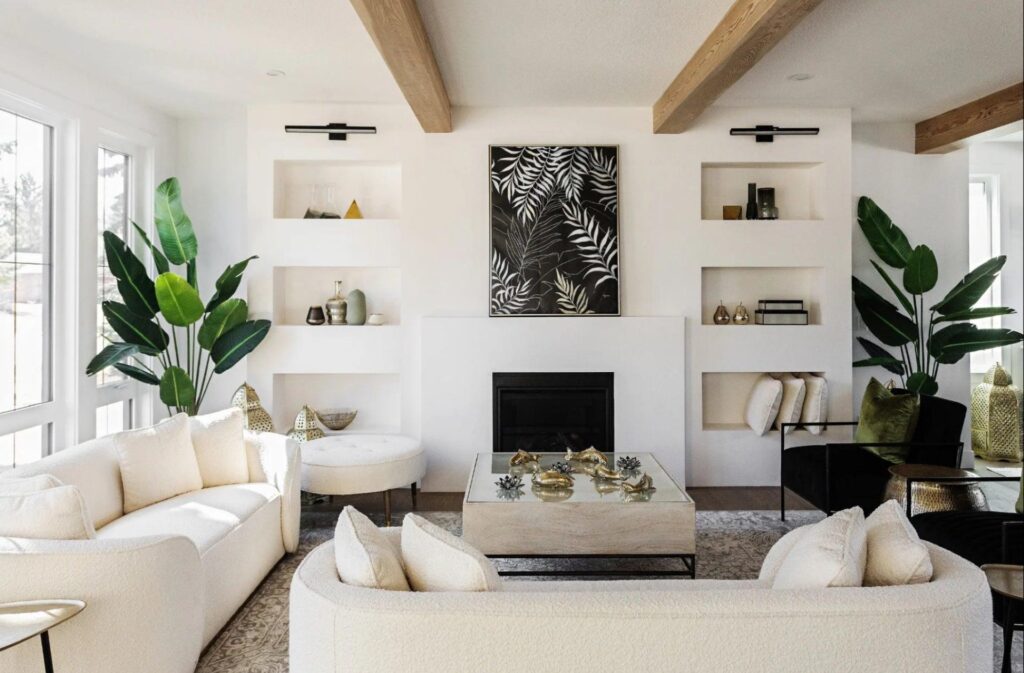
    A sofa in a living room with breathing room around the furniture

    Before You Shop: Understand How You Live

    Before looking at sofa styles, think about how your household uses the space.

    Ask yourself:

    Is this your everyday living room?

    If so, comfort and durability may be your highest priorities.

    Do you entertain often?

    You may want a sofa arrangement that encourages conversation and allows multiple people to sit comfortably.

    Does anyone enjoy lounging?

    A deeper sofa with generous seating may be ideal.

    Are children or pets part of your household?

    Fabric selection, cushion construction, and durability become especially important.

    Do different people have different comfort needs?

    Seat depth and height can make a significant difference between a sofa that looks beautiful and one that feels comfortable every day.

    There is no single perfect sofa size.

    There is only the right sofa size for your home and your lifestyle.


    Understanding Sofa Measurements

    Furniture specifications can sometimes feel overwhelming because there are several different measurements to consider.

    Understanding the basics will make comparing sofas much easier.
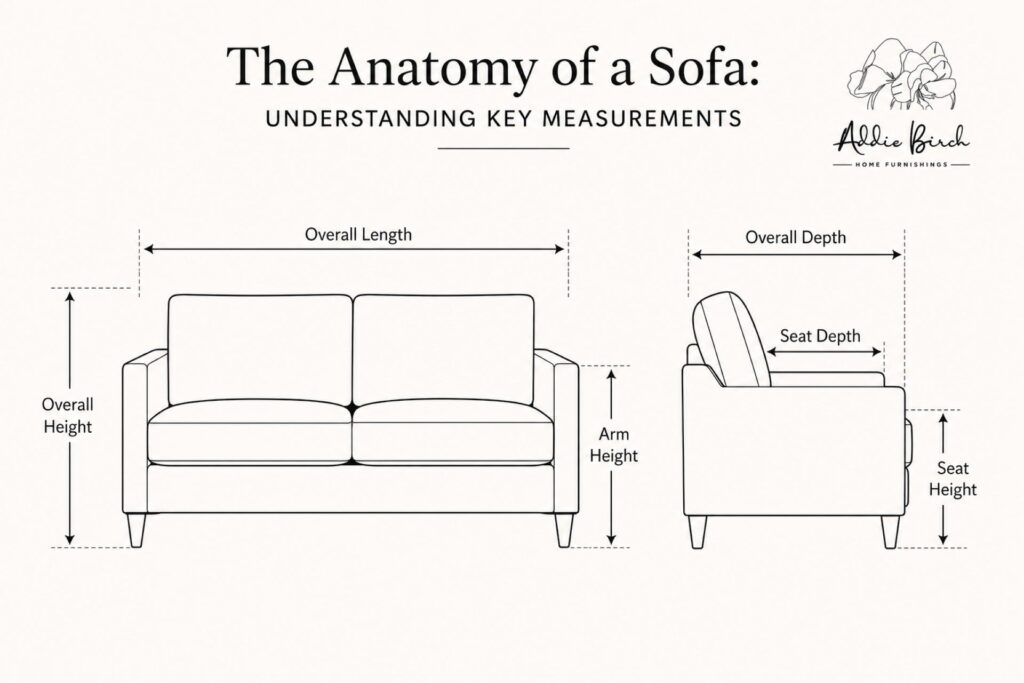
    A clean, minimalist line drawing showing a sofa from the front and side view.

    Primary Sofa Measurements

    Sofa Length

    Sofa length measures from the outside edge of one arm to the outside edge of the opposite arm.

    This measurement determines how much seating the sofa provides and how much visual space it occupies.

    Most standard three-person sofas range between 71 and 86 inches, with 84 inches being one of the most common sizes.

    General Sofa Length Guide

    A clean, minimalist line drawing showing five lengths of sofa options

    The best sofa isn’t necessarily the longest one—it’s the one that’s proportionate to the room around it. Professional designers consider how the sofa relates to the entire space, including coffee tables, accent chairs, walkways, and surrounding architecture. Leaving a little breathing room around your furniture often makes a room feel larger, more elegant, and more comfortable to live in.

    Sofa Depth

    Sofa depth measures from the front edge of the sofa to the back.

    Most sofas range between 32 and 40 inches deep, with approximately 35 inches considered standard.

    Depth affects both comfort and the overall feeling of a room.

    Shallower Sofas

    A shallower sofa typically creates:

    • A lighter, more open appearance
    • A tailored, refined look
    • An upright, supportive sitting position
    • Better conversation seating
    • More visual space in smaller rooms

    They work well in:

    • Condos and apartments
    • Smaller living rooms
    • Formal living rooms
    • Conversation areas
    • Homes with narrower floor plans
    • Modern, Scandinavian, and transitional interiors
    Kinsley sofa specs by Van Gogh
    Shallow depth sofa - Kinsley is 31.5" deep

    The Kinsley sofa featured above has a narrow sofa depth of 31.5″

    Standard-Depth Sofas

    A standard-depth sofa typically creates:

    • A balanced combination of comfort and support
    • A versatile, relaxed sitting position
    • Enough room to sit comfortably without feeling overly deep
    • A substantial presence without overwhelming the room
    • Flexibility for both everyday living and entertaining

    They work well in:

    • Average-size living rooms
    • Family rooms
    • Open-concept spaces
    • Homes with a mix of formal and casual seating
    • Everyday living and entertaining
    • Traditional, transitional, contemporary, and organic modern interiors
    Apollo sofa specs by Van Gogh
    Apollo has a standard sofa depth

    The Apollo sofa featured above has a standard sofa depth of 36″

    Deeper Sofas

    A deeper sofa typically creates:

    • A relaxed, casual atmosphere
    • A cozy, inviting feel
    • A luxurious, lounge-like experience
    • A more substantial visual presence
    • Greater comfort for stretching out

    They work well in:

    • Family rooms
    • Media and TV rooms
    • Large open-concept spaces
    • Great rooms
    • Homes with taller occupants
    • Contemporary and relaxed interiors
    Retreat sofa specs by Van Gogh
    Retreat sofa has a deep sofa depth of 40"

    The Retreat sofa featured above has a deep sofa depth of 40″

    Designer Insight: A sofa’s depth influences more than comfort—it shapes the entire personality of a room. Shallower sofas encourage conversation and create a lighter, more tailored look, while deeper sofas invite you to relax, stretch out, and stay awhile. Neither is better than the other; the right choice depends on how you want your space to feel and how you live in it.


    Sofa Height

    Sofa height measures from the floor to the highest point of the back. Most sofas range between 26 and 36 inches high.

    While height may seem like a small detail, it has a significant impact on both the look of your room and the comfort of your seating. The right choice depends on your home’s architecture, your personal style, and how you use the space.

    Lower-Back Sofas

    Lower-back sofas often create:

    • A clean, modern aesthetic
    • Open sightlines that make a room feel larger
    • A lighter, more spacious appearance
    • A relaxed, contemporary feel

    They work well in:

    • Smaller living rooms
    • Open-concept homes
    • Spaces with large windows or scenic views
    • Modern, Scandinavian, and minimalist interiors
    • Rooms where maintaining an open, airy feeling is a priority
    Tulip sofa specs by Van Gogh
    Tulip sofa is a lower back sofa

    The Tulip sofa featured above has a low sofa back height of 25.5″

    Higher-Back Sofas

    Higher-back sofas often create:

    • A cozy, inviting atmosphere
    • Greater back and shoulder support
    • A classic, timeless appearance
    • A stronger visual presence that anchors larger spaces

    They work well in:

    • Family rooms
    • Traditional and transitional interiors
    • Homes with higher ceilings
    • Larger living rooms and great rooms
    • Spaces where comfort and extended seating are priorities
    Hepburn sofa specs by Van Gogh
    Hepburn sofa is a higher back sofa because of the pillows

    The Hepburn sofa featured above has a high sofa back height of 37″ when considering the cushion height

    Designer Insight: Your sofa should feel proportionate to the room around it. A low-profile sofa can help a compact room feel open and uncluttered, while a taller sofa can add warmth, presence, and balance to rooms with high ceilings or expansive walls.

    When selecting sofa height, consider not only how it looks on its own, but how it relates to your windows, artwork, shelving, and the overall architecture of your home. The most successful interiors achieve a sense of harmony by balancing the scale of every element in the room.


    The Measurements That Matter Most for Comfort

    While the outside dimensions determine whether a sofa fits your room, two measurements determine whether it fits the people who use it.

    Seat Depth: Finding Your Comfort Zone

    Seat depth is one of the measurements with the biggest impact on everyday comfort.

    Seat depth measures from the front edge of the seat cushion to the point where your back rests. Most sofas have a seat depth between 21 and 24 inches, although deeper sofas can extend to 28 inches or more.

    It is important not to confuse seat depth with overall sofa depth. Overall depth measures from the very front of the sofa to its furthest point at the back, while seat depth tells you how much usable space you actually have for sitting.

    Seat depth plays a major role in whether you can sit comfortably with your back supported, stretch out to relax, or curl up on the sofa.

    How do I choose the right seat depth for my body?

    Start with the back-of-knee test.

    Sit all the way back against the sofa with your spine supported. Your feet should rest comfortably on the floor, with the front edge of the seat approximately two to three inches from the back of your knees. This allows your legs to rest naturally without the edge of the cushion putting uncomfortable pressure behind your knees.

    As a general starting point:

    • Under 5’4″ — 18–21″ seat depth
    • 5’4″ to 5’10” — 21–24″ seat depth
    • Over 5’10” — 24–28″ seat depth

    These ranges are guidelines rather than rules. Body proportions vary, so your leg length, torso length, preferred sitting position, and the way the sofa is constructed can all affect what feels comfortable.

    How Does Seat Depth Affect Comfort?

    When a sofa is too deep for your frame, you may find yourself choosing between leaning back and letting your feet dangle or perching forward on the edge and losing the support of the backrest. Neither is particularly comfortable for everyday sitting.

    People often compensate by piling throw pillows behind their backs. While pillows can adjust the feel of a sofa, constantly needing them to sit comfortably may be a sign that the seat is simply too deep for you.

    On the other hand, a seat that is too shallow can leave you feeling perched on the sofa rather than comfortably supported.

    What About the Way You Like to Sit?

    Your preferred style of sitting matters just as much as your height.

    Shallow Depth Seating

    Shallower seats tend to encourage a more upright, supportive sitting position and work particularly well for conversation and formal seating.

    Kane sofa specs by Van Gogh
    Kane sofa has a shallow seat depth

    The Kane sofa featured above has a shallow seat depth of 21″

    Standard Depth Seating

    Standard-depth seats offer a balance of support and relaxation, making them a versatile choice for everyday living.

    Denmore sofa specs by Van Gogh
    Denmore sofa has a standard seat depth

    The Denmore sofa featured above has a standard seat depth of 23″

    Deep Depth Seating

    Deeper seats provide more room to stretch out, curl up, read, or nap. They can be particularly comfortable for taller individuals, but shorter users may need additional back cushions to sit upright comfortably.

    Warsaw sofa specs by Van Gogh
    Warsaw sofa has a deep seat depth

    The Warsaw sofa featured above has a deep seat depth of 26″

    Seat Depth Guide

    A clean, minimalist line illustration  showing a side view of a woman sitting in three different depth sofa seats

    When choosing a sofa, consider both how your body fits the seat and how you actually use the sofa. A sofa intended primarily for conversation may benefit from a shallower, more upright seat, while a sofa designed for movie nights and lounging may be better suited to a deeper seat. The best depth is the one that supports the way you live.

    Seat Depth Is Only Part of the Equation

    Two sofas with the same seat depth can feel completely different. Seat height, back angle, cushion firmness, cushion thickness, and the amount of padding in the back all change how a sofa feels when you sit in it.

    For example, a soft, loose back cushion can take up more of the available depth than a structured, tight back. A firm cushion may also make a sofa feel more supportive and upright than a similarly sized sofa with a softer, sink-in seat.

    When comparing sofas, look at the seat depth and the construction of the sofa together rather than relying on the measurement alone.

    Designer Insight: There is no single seat depth that is right for everyone.

    Your height and proportions are a starting point, but the way you naturally sit is just as important. Someone who prefers to sit upright for conversation or reading may be more comfortable on a shallower seat, while someone who likes to curl up, stretch out, or put their feet up may prefer a deeper one.

    This is where customization can make a meaningful difference. Rather than adapting your habits to a fixed set of proportions, a custom sofa can be designed around the way you actually live—from seat depth and cushion firmness to seat height, back style, and cushion configuration.

    The goal isn’t simply to find a sofa that fits your room. It is to find—or create—one that feels right for you.
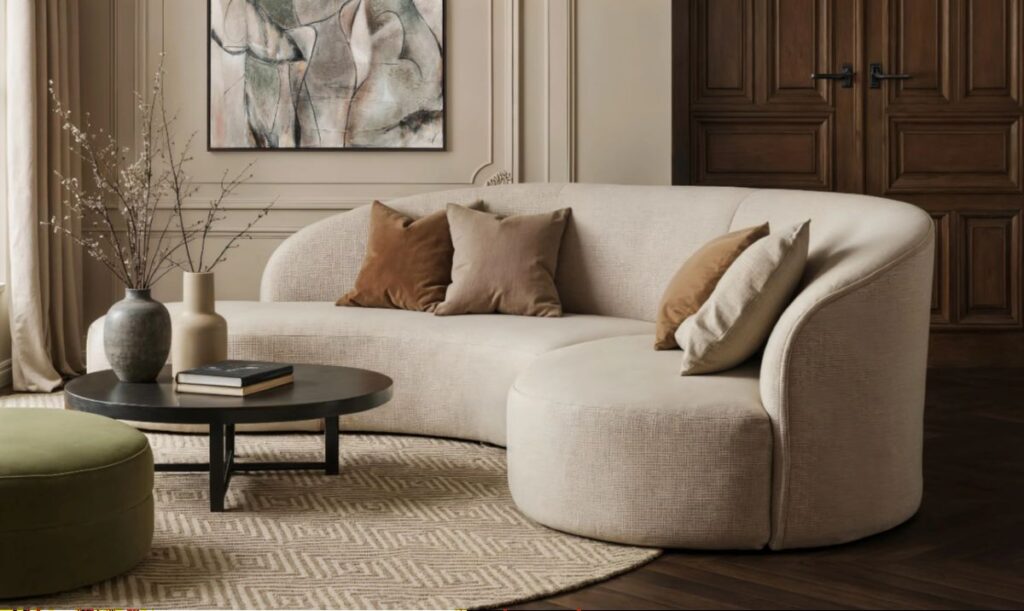
    Customize a curved sofa for your livingroom

    Seat Height: Finding the Right Fit

    Seat height measures from the floor to the top of the seat cushion. Most sofas have a seat height between 17 and 19 inches, although lower and higher options are available.

    Seat height has a surprisingly significant effect on how a sofa feels. It influences how easily you can sit down and stand up, how your feet rest on the floor, and whether the sofa encourages an upright or relaxed sitting position.

    How Do I Choose the Right Seat Height?

    The best seat height allows you to sit comfortably with your feet flat on the floor and your knees at approximately a 90-degree angle. Your hips should not feel significantly lower than your knees, and you shouldn’t feel as though you’re perched on the edge of the cushion.

    As a general guide:

    Seat HeightCharacteristics
    Low — 15–17″Relaxed, casual feel; lower visual profile; can be harder to get in and out of
    Standard — 17–19″Versatile and comfortable for most people; balanced proportions; easy everyday use
    High — 19–21″Easier entry and exit; more upright sitting position; often creates a more formal appearance

    These ranges are a starting point rather than a rule. Your height, leg length, proportions, mobility, and preferred sitting position all influence what feels comfortable.

    Low-Seat Sofas: 15–17″

    A lower seat creates a relaxed, informal feel and can give a sofa a more contemporary, low-profile appearance.

    They work particularly well in:

    • Casual living rooms
    • Lounge-focused spaces
    • Modern and contemporary interiors
    • Rooms where a lower visual profile is desirable
    • Spaces where relaxed, informal seating is the priority

    The trade-off is accessibility. A low seat requires more effort to stand up from, particularly for taller adults or anyone who prefers a more upright sitting position.

    Otis sofa specs by Van Gogh
    Otis sofa has a low seat height

    The Otis sofa featured above has a low seat height of 17″

    Standard-Height Sofas: 17–19″

    Standard seat heights provide the most versatile balance of comfort, support, and accessibility. They work well for everyday sitting, conversation, reading, and relaxing without strongly favouring one sitting style.

    They are a good choice for:

    • Everyday family living
    • Entertaining
    • Mixed-height households
    • Traditional and contemporary interiors
    • Spaces where versatility is important
    Crofton sofa specs by Van Gogh
    The Crofton sofa has a standard seat height

    The Crofton sofa featured above has a standard seat height of 18″

    High-Seat Sofas: 19–21″

    A higher seat makes sitting down and standing up easier and can create a more upright, supportive sitting position. Visually, a higher seat can also give a sofa a more substantial or formal presence.

    They can work particularly well for:

    • Taller individuals
    • More upright seating preferences
    • Formal living spaces
    • People who find lower sofas difficult to get in and out of
    • Traditional, transitional, and tailored interiors

    The trade-off is that a high seat may feel less relaxed for someone with shorter legs if their feet don’t rest comfortably on the floor.

    Sooke sofa specs by Van Gogh
    The Sooke sofa has a high seat height

    The Sooke sofa featured above has a high seat height of 23″

    Seat Height and Sofa Style

    Seat height isn’t only about comfort—it also contributes to the visual character of the sofa.

    Lower sofas tend to feel more relaxed and contemporary, while standard heights offer a versatile middle ground. Higher sofas can appear more traditional, tailored, or formal.

    However, don’t choose seat height based on appearance alone. A beautifully proportioned sofa isn’t a good fit if you struggle to get comfortable or your feet don’t rest naturally on the floor.

    Designer Insight: When trying a sofa, don’t simply sit down and decide whether it feels comfortable. Sit all the way back, place both feet on the floor, and notice the position of your knees and hips. Then stand up without using your hands. These simple tests can tell you much more about whether the seat height works for your body than the number on a specification sheet.


    Arm Height: Small Measurement, Big Impact

    Arm height is measured from the floor to the top of the sofa arm.

    While it may seem like a minor specification, arm height affects both comfort and the overall look and proportion of a sofa. It influences where your arms naturally rest when sitting, how easy it is to get in and out of the sofa, and how substantial or streamlined the sofa appears.

    What Should I Look for in Arm Height?

    When comparing sofas, it is helpful to consider two measurements:

    Usable arm height: From the top of the seat cushion to the top of the arm.

    Overall arm height: From the floor to the top of the sofa arm.

    The second measurement can be particularly useful when comparing comfort. A sofa may have a relatively high overall arm because it also has a higher seat, while the actual distance from the seat to the arm may remain quite comfortable.

    A higher arm can provide a comfortable place to rest your arm and may create a more supportive, substantial feel. A lower arm tends to create a more open, relaxed appearance and can make it easier to stretch out across the sofa.

    How Arm Height Affects Sofa Style

    Arm height also contributes significantly to a sofa’s visual character

    Lower Arms

    Lower-profile arms create:

    • A clean, contemporary appearance
    • More visual openness
    • A relaxed, casual feel

    They are a great choice for modern interiors and smaller spaces where maintaining open sightlines helps the room feel larger.

    Leonard sofa specs by Van Gogh
    The Leonard sofa has low arms

    The Leonard sofa featured above has a 3.5″ useable arm height 3.5″ and a overall arm height of 23″

    Higher Arms

    Higher arms provide:

    • More support when sitting or lounging
    • A classic, tailored appearance
    • A stronger architectural presence

    They’re ideal if you enjoy reading, curling up with a pillow, or leaning against the arm while relaxing.

    Alice sofa specs by Van Gogh
    The Alice sofa has a high arm rest

    The Alice sofa featured above has a 11″ useable arm height and a overall arm height of 31″

    Consider How You Use Your Sofa

    Think about where your arms naturally rest when you sit. If you regularly lean against the arm while reading or relaxing, its height and padding will have a noticeable impact on comfort. If you tend to stretch out or lie across the sofa, a lower arm may be more comfortable.

    Arm height can also affect how easily you can get in and out of the sofa. A very high or substantial arm may provide something to push against, but it can also make the sofa feel more enclosed.

    Designer Insight: Don’t evaluate arm height by the measurement alone. Sit in the sofa and let your arms fall naturally. Notice whether the arm supports you without forcing your shoulders upward or requiring you to reach down. Then look at the sofa from across the room. The right arm height should feel comfortable to use and proportionate to the overall scale of the sofa.


    Looking Beyond One Measurement

    No single measurement determines whether a sofa is right for you.

    A sofa with the perfect overall length may feel uncomfortable if the seat is too deep. Likewise, a beautifully proportioned sofa may not suit your space if the back is too high or the arms feel bulky.

    Designers don’t evaluate measurements individually—they look at how they work together.

    When selecting a sofa, consider the complete picture:

    • Overall length should suit the room.
    • Overall depth should leave comfortable circulation space.
    • Overall height should complement the architecture.
    • Seat depth should fit your height and sitting style.
    • Seat height should allow your feet to rest comfortably on the floor.
    • Arm height should support how you naturally relax.

    When these proportions are balanced, a sofa feels effortless to live with every day.


    The Right Fit Makes All the Difference

    A sofa is one of the few pieces of furniture you’ll use every day, often for years to come. Understanding its measurements helps you look beyond appearance and choose a piece that truly fits your home and your lifestyle.

    While style, fabric, and colour create the first impression, it’s the dimensions that determine how comfortable the sofa feels and how well it functions in your space.

    At Addie Birch, we encourage clients to sit, compare, and experience different proportions before making a decision. A few inches in seat depth, height, or overall scale can dramatically change how a sofa feels.

    When you understand the measurements, you can shop with confidence—knowing your next sofa won’t just look beautiful in your home, but will feel like it was made for the way you live.

    Designer Tip: Don’t focus on just one number. The most comfortable sofas are those where the length, depth, seat height, and seat depth work together to suit both your room and the people who use it every day.

    Once you’ve determined which sofa dimensions work best for your comfort, the next step is making sure the sofa works within your room. Part 2 of our Complete Sofa Buying Guide explains how to measure your space, plan furniture placement, and determine the right sofa size for your home.
  • How to Measure Your Space for the Right Sofa: The Complete Sofa Buying Guide (Part 2)

    How to Measure Your Space for the Right Sofa: The Complete Sofa Buying Guide (Part 2)

    How to Measure Your Space for the Right Sofa: The Complete Sofa Buying Guide (Part 2)

    Measure Your Space Like a Designer Before You Buy

    Once you understand sofa dimensions, the next step is understanding how those dimensions will work within your home.

    Many sofa-buying mistakes happen because homeowners fall in love with a piece of furniture before considering how it will actually function in the room. A sofa may look perfect in a showroom or online, yet feel too large, too small, too deep, or simply out of proportion once it arrives home.

    Professional designers approach the process differently.

    They begin with the room, the architecture, the furniture layout, and the way people move through the space. The sofa is then selected based on those factors.

    Taking a little time to measure before you shop can help you avoid costly mistakes and make it much easier to choose a sofa that feels comfortable, looks balanced, and functions naturally in your home.


    Step 1: Measure Your Room

    Begin by measuring the area where your sofa will live.

    Record:

    • Room length
    • Room width
    • Ceiling height
    • Wall lengths
    • Door and window locations
    • Window heights and widths
    • Fireplace placement
    • Built-in shelving
    • Radiators or heating vents
    • Electrical outlets
    • Existing furniture dimensions
    • Any architectural features that may affect furniture placement

    These details help determine not only what size sofa will fit, but what size sofa will look appropriate.

    A sofa that works beautifully in a large open-concept home may overwhelm a smaller living room. Likewise, a compact sofa that works well in an apartment may feel lost in a spacious great room.

    Don’t Forget Vertical Space

    Room dimensions aren’t only about the floor.

    Look at what is happening above the sofa, too.

    Ceiling height, windows, artwork, built-ins, beams, architectural details, and lighting can all affect how a sofa’s height and scale feel within the room.

    For example, a low-profile sofa may look beautifully balanced beneath a large window or in a room with a lower ceiling. In a room with high ceilings, a sofa with more visual height may feel more proportionate.

    The goal is not simply to make the sofa fit.

    The goal is to make the sofa fit the room.


    The 2/3 Rule: A Helpful Starting Point for Sofa Length

    One of the simplest ways to evaluate sofa scale is the 2/3 rule.

    As a general design guideline, a sofa can be approximately two-thirds the length of the wall it sits against.

    For example, if the wall is 12 feet long, a sofa around 8 feet long may provide a pleasing starting point for proportion.

    This creates enough visual breathing room around the sofa without making it feel either undersized or overwhelming.

    However, the 2/3 rule is a guideline, not a requirement.

    Windows, doors, fireplaces, built-ins, side tables, walkways, and other furniture may change the ideal sofa length. In an open-concept room, there may not even be a single wall that determines the sofa’s size.

    Use the 2/3 rule to begin thinking about proportion and scale, then consider the entire room.

    Illustration which shows how the furniture scale changes depending on the room size.

    Designer Insight: Proportion Matters More Than a Single Measurement
    A sofa doesn’t need to follow the 2/3 rule exactly to look right. What matters is how its length relates to the wall, surrounding furniture, architectural features, and available circulation space.


    Step 2: Tape Out Your Sofa Before You Buy

    One of the simplest and most effective design tricks is also one of the most overlooked.

    Use painter’s tape to mark the exact length and depth of the sofa you are considering directly onto your floor.

    If you are comparing different sofa sizes, tape out each option separately.

    Then live with the outline for a little while.

    Walk around it.

    Sit where you normally would.

    Imagine opening a cabinet, walking to another room, or reaching the window.

    Ask yourself:

    • Can people comfortably walk through the room?
    • Is there enough space between the sofa and coffee table?
    • Does the room still feel open?
    • Will side tables fit?
    • Can doors and drawers open properly?
    • Does the sofa block windows, doors, vents, or important architectural features?
    • Does the sofa leave enough room for the other furniture you want?

    A few minutes with painter’s tape can prevent years of frustration.

    A simple top-down room plan showing: Sofa footprint outlined with painter's tape Coffee table placement Accent chair & Walking paths

    Why Taping Out the Sofa Works

    Seeing a measurement written on a specification sheet is very different from experiencing that measurement in your own room.

    A sofa that is only a few inches longer or deeper can have a surprisingly large effect on how a room feels.

    Tape before you buy.


    Step 3: Plan Traffic Flow and Furniture Spacing

    A beautiful room is not just about what you see.

    It is also about how easily you move through the space.

    Furniture placement should allow people to naturally enter, sit, converse, reach tables, and move around the room without obstacles.

    Helpful Design Guidelines

    Space Between FurnitureRecommended Distance
    Sofa to coffee table16–18 inches
    Main walkways36 inches or more
    Side pathways24–30 inches
    Sofa to media unitApproximately 36–48 inches

    These measurements are guidelines rather than strict rules. The right spacing depends on the room, furniture dimensions, and how the space is used.

    The important thing is to create comfortable circulation without making the furniture feel scattered.

    Think Beyond the Sofa

    When measuring your sofa, don’t stop at the sofa itself.

    Consider everything that needs to work around it:

    • Coffee table
    • Side tables
    • Accent chairs
    • Ottomans
    • Floor lamps
    • Media consoles
    • Rugs
    • Cabinet doors and drawers
    • Walkways

    A sofa may technically fit in a room but leave too little space for everything else.

    Designer Insight: Good Design Feels Effortless
    The best layout considers the entire seating arrangement, not one piece of furniture in isolation. People rarely notice when a room has excellent traffic flow. They simply notice that a room feels comfortable. One the other hand, people immediately notice when furniture placement makes movement difficult. A well planned room should invite people in-not require them to navigate around obstacles.

    Step 4: Consider Your Sofa’s Relationship to Windows and Architecture

    Your sofa does not exist by itself.

    It should work with the other elements of your room.

    If your sofa sits beneath or near a window, consider:

    • Window height
    • Window width
    • Window trim
    • Drapery placement
    • Natural light
    • Radiators or heating vents
    • Baseboards
    • Nearby doors
    • Built-in features

    A sofa that is too tall may compete with a beautiful window.

    A sofa that is too low may feel disconnected from a large room with high ceilings.

    The same principle applies to fireplaces, built-ins, artwork, architectural openings, and other focal points.

    Consider the Architecture, Not Just the Floor Plan

    Before deciding on a sofa, look at the room from every angle.

    Ask:

    • What is the room’s natural focal point?
    • Does the sofa support or compete with it?
    • Are there strong horizontal or vertical architectural lines?
    • Will the sofa sit beneath a window?
    • Will its arms interfere with trim or built-ins?
    • Is there enough visual space above the sofa for artwork or a mirror?
    • Does the sofa’s height make sense with the ceiling height?

    A sofa can be the correct size on paper and still feel wrong in the room if its proportions fight the architecture.

    Good furniture scale considers both horizontal and vertical space.


    Step 5: Measure Every Delivery Route

    Finding the perfect sofa is exciting, but there is one practical detail many homeowners overlook:

    Will it actually fit into your home?

    Before ordering, measure every part of the delivery route.

    Check:

    • Front door width
    • Front door height
    • Interior door widths and heights
    • Hallway widths
    • Staircase dimensions
    • Stairwell turns
    • Tight corners
    • Elevator dimensions, if applicable
    • Ceiling height near entrances
    • Clearance around railings and fixtures

    Also consider whether the sofa can be positioned on its side during delivery and whether the dimensions of the sofa’s packaged or fully assembled form differ from the dimensions of the sofa itself.

    Some sofas may fit beautifully in your room but cannot physically make the journey inside.

    Taking these measurements before purchasing can make delivery day much easier—and prevent an expensive surprise.

    Don’t measure only the destination. Measure the journey.


    Common Sofa-Buying Mistakes to Avoid

    Choosing a sofa is a significant investment. Avoiding these common mistakes can help ensure you love your decision for years to come.

    Mistake #1: Choosing Style Before Size

    A sofa may look beautiful in a showroom, but showrooms are typically much larger than residential rooms.

    Always consider measurements first.

    The perfect style in the wrong size will never feel quite right.


    Mistake #2: Buying the Largest Sofa That Fits

    More seating does not always mean better design.

    A sofa should support the room—not dominate it.

    A properly scaled 84-inch sofa can often feel more luxurious and comfortable than an oversized sofa that overwhelms the space.

    Remember the 2/3 rule as a starting point, but always consider the complete room layout.


    Mistake #3: Ignoring Seat Comfort

    Two sofas may have similar exterior dimensions but feel completely different to sit on.

    Consider:

    • Seat depth
    • Seat height
    • Cushion firmness
    • Cushion filling
    • Back support
    • Arm height

    A sofa should be sized for both the room and the people who will use it.

    For more information about choosing sofa dimensions based on comfort, see Part 1 of The Complete Sofa Buying Guide.


    Mistake #4: Forgetting How the Room Will Be Used

    A formal sofa may look beautiful but may not be practical for a family who spends every evening relaxing together.

    Think about how you actually live.

    Will people:

    • Sit upright and entertain?
    • Lounge and watch television?
    • Read?
    • Nap?
    • Work from the sofa?
    • Sit with children or pets?
    • Entertain large groups?

    Choose furniture based on your lifestyle, not just appearance.


    Mistake #5: Not Considering the Rest of the Room

    It’s easy to focus on the sofa and forget everything else that needs to fit.

    Before purchasing, consider the complete furniture plan.

    Will there be room for:

    • A coffee table?
    • Two accent chairs?
    • Side tables?
    • A floor lamp?
    • A media console?
    • An ottoman?
    • Adequate walkways?

    The right sofa is not necessarily the largest one that can physically fit.

    It is the one that allows the entire room to function well.


    Mistake #6: Not Considering the Future

    A sofa is an investment.

    Think about:

    • How your family may change
    • How often you entertain
    • Whether you plan to move
    • How the room may be used in the future
    • How long you want the piece to last

    The best furniture decisions consider both today and tomorrow.


    When Custom Furniture Is Worth Considering

    Sometimes the perfect sofa is almost perfect.

    The style is right.

    The fabric is right.

    The quality is right.

    But something doesn’t quite work.

    Maybe:

    • The sofa is six inches too long.
    • The seat depth feels uncomfortable.
    • The arms are wider than you prefer.
    • You want a different cushion feel.
    • The fabric needs to perform better for your lifestyle.
    • The standard dimensions don’t work with your room.

    This is where custom furniture can provide real value.

    Custom does not always mean extravagant. Often, it means solving practical challenges and creating furniture that fits your room, your comfort preferences, and the way you actually live.

    A custom sofa can allow you to make thoughtful adjustments to dimensions, upholstery, cushion construction, leg style, and other details that may not be available with standard furniture.

    Instead of trying to make a ready-made piece work in your space, you can create a piece around the space.

    When Custom Furniture Makes Sense

    Custom furniture is particularly worth considering when:

    • Your room has challenging dimensions. A few inches can make a significant difference in how a sofa fits within a room and how comfortably people can move around it.
    • Standard seat depths don’t feel right. If you are particularly tall or short, adjusting the seat depth and height can make a sofa considerably more comfortable.
    • You have specific comfort preferences. Cushion firmness, filling, and construction can influence how a sofa feels and how it performs over time.
    • You have a particular fabric or colour in mind. Custom upholstery gives you greater control over the finished look and allows the furniture to work more intentionally with the rest of your room.
    • You want the furniture to feel distinctive. Custom pieces can be tailored to your aesthetic rather than selected from a limited range of standard configurations.

    The goal isn’t simply to create something different.

    It’s to create something that fits better—physically, visually, and functionally.

    For those looking for greater flexibility in dimensions, fabrics, finishes, cushion sizes, and comfort, Custom Furniture from Addie Birch offers an opportunity to tailor furniture to your space and preferences.

    Custom furniture is ultimately about making thoughtful choices before you buy. When the right sofa isn’t quite available off the floor, customizing the details can be what turns an almost-perfect piece into one that feels right for your home.


    How Addie Birch Helps You Find the Right Fit

    At Addie Birch, we believe choosing furniture should be a thoughtful process—not a rushed decision.

    Our approach begins by understanding:

    • How you use your home
    • What matters most to your family
    • How you want the room to feel
    • What level of comfort and durability you need
    • How the furniture needs to work within your space

    Through our custom furniture program, we work with trusted manufacturers to help personalize details such as:

    • Sofa dimensions
    • Seat depth
    • Cushion comfort
    • Upholstery selection
    • Fabric performance
    • Arm style
    • Leg finishes
    • Design details

    The result is furniture that feels intentionally chosen for your space.

    Not simply something that fits.

    Something that belongs.


    Your Sofa Measuring Checklist

    Before you shop for your new sofa, gather the measurements and information that will help you make the right decision:

    • Room length and width
    • Wall length where the sofa will sit
    • Ceiling height
    • Window measurements and locations
    • Door and doorway measurements
    • Hallway measurements
    • Staircase or elevator measurements
    • Measurements of furniture you are keeping
    • Photos of your room
    • Photos of architectural features
    • Inspiration images
    • Notes about how you use the space
    • Comfort preferences
    • Sofa dimensions you are considering

    Prefer to Have a Designer Help?

    You don’t have to figure out all of the measurements, furniture placement, and room proportions on your own.

    If you would rather have a professional help you determine what will work best in your space, Addie Birch offers Styling & Finishing Touches to help bring the room together.

    From furniture placement and room planning to selecting the finishing details that make a space feel complete, our design service can help you make confident furniture decisions before you buy.

    Bring your room measurements and photos, or let us help you work through the details. The goal is to make sure the furniture you choose doesn’t simply fit the room—it works beautifully within it.

    Not sure where to start? Our design service can help you create a room that feels considered from the beginning.


    Frequently Asked Questions About Measuring for a Sofa

    What is the 2/3 rule for sofas?

    The 2/3 rule is a general design guideline suggesting that a sofa can be approximately two-thirds the length of the wall it sits against.

    It helps create a sense of proportion and visual balance, but it is not a strict requirement. Windows, doors, fireplaces, built-ins, room layouts, and traffic flow should also be considered.


    What is the most common sofa size?

    A standard three-seat sofa is typically around 84 inches long, although sofa lengths vary considerably.

    The ideal size depends on your room dimensions, layout, available circulation space, and how many people need seating.


    How much space should I leave around a sofa?

    There is no single measurement that works for every room, but comfortable circulation is important.

    As a starting point, allow approximately 36 inches for main walkways, 24–30 inches for secondary pathways, and 16–18 inches between a sofa and coffee table.

    These are guidelines rather than rigid rules.


    Should I tape out my sofa before buying it?

    Yes.

    Taping the sofa’s proposed length and depth directly onto the floor is one of the easiest ways to understand how its actual footprint will affect your room.

    It allows you to test traffic flow, furniture spacing, and overall scale before committing to a purchase.


    Is a Deeper Sofa More Comfortable?

    Not necessarily.

    A deeper sofa can be wonderful for lounging, but the best seat depth depends on your height, how you prefer to sit, and how you use the sofa.

    A sofa that is too deep can leave shorter users without adequate back support, while a shallow sofa may feel restrictive for taller users.

    The right sofa isn’t simply the one with the deepest seat. It’s the one with dimensions that work for you.

    If you’re still deciding which sofa dimensions, seat depth, seat height, and overall proportions will provide the best comfort, start with Part 1: How to Choose the Right Sofa Size for Your Body and Your Space. It explains how to evaluate the different measurements of a sofa before you begin measuring your room.


    Should I choose a sofa or sectional?

    A sofa is often more flexible and works well in many room sizes. A sectional can be a great choice for larger spaces or families who enjoy relaxed lounging.

    The right choice depends on your room layout, traffic flow, seating requirements, and lifestyle.


    Is custom furniture worth considering?

    Custom furniture can be especially valuable when standard sizes do not provide the comfort, proportions, or design details you need.

    It allows you to create a piece that is tailored to your home rather than adapting your home around a standard piece.


    Final Thoughts: The Right Sofa Changes How a Room Feels

    Choosing the right sofa is about more than measurements.

    It is about creating a space where people feel comfortable, connected, and at home.

    When the proportions are right:

    The room feels balanced.

    The furniture feels intentional.

    The space becomes easier to live in.

    And your sofa becomes more than a place to sit—it becomes the centre of everyday moments.

    At Addie Birch, we believe the best furniture choices come from thoughtful planning, quality craftsmanship, and understanding the way you live.

    Because the perfect sofa doesn’t simply fit your room.

    It fits your life.

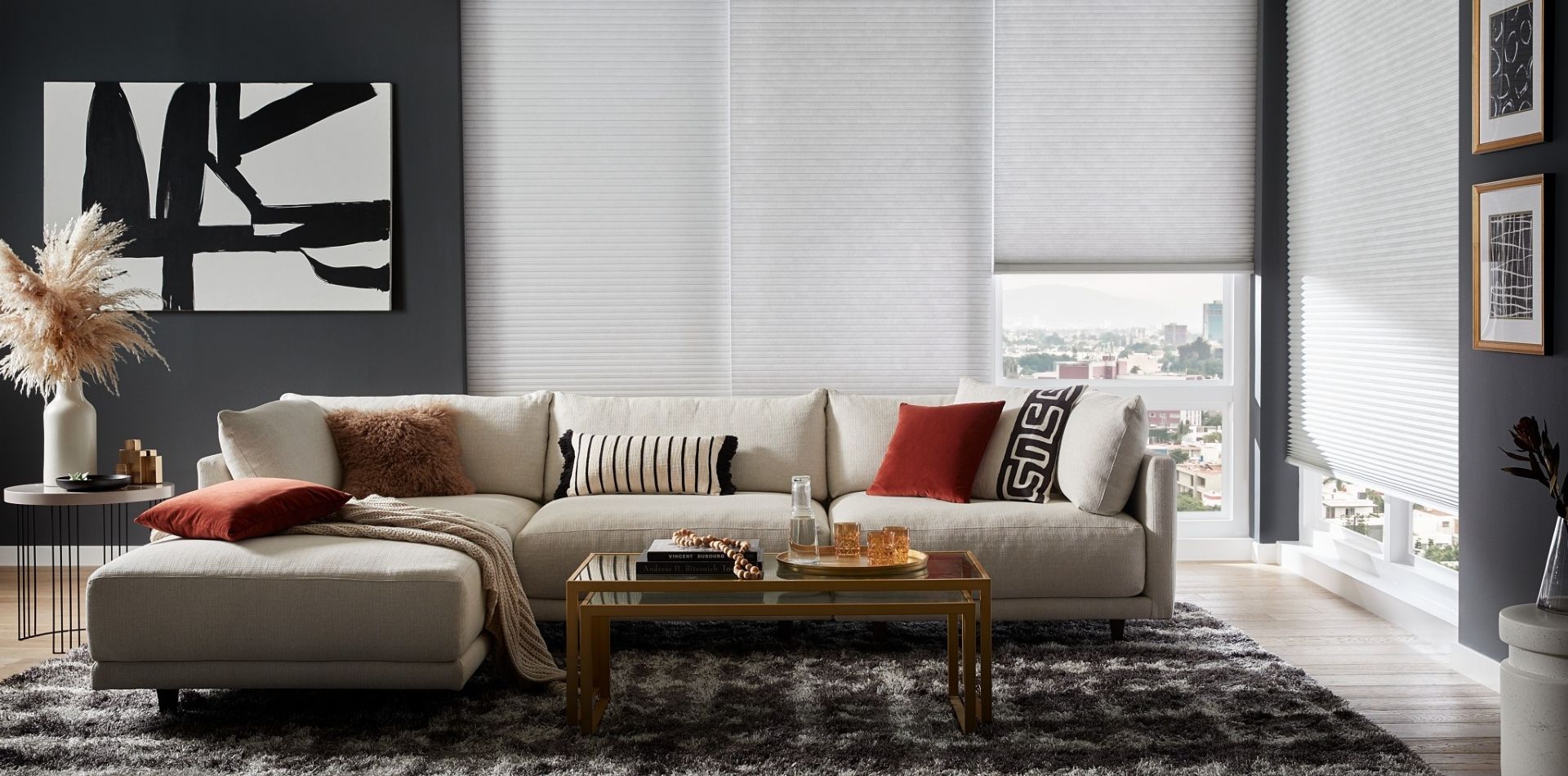
    A living room that invites people in—not require them to navigate around obstacles.